View all
Health Ombudsman releases report on the circumstances that led to death of mental patients

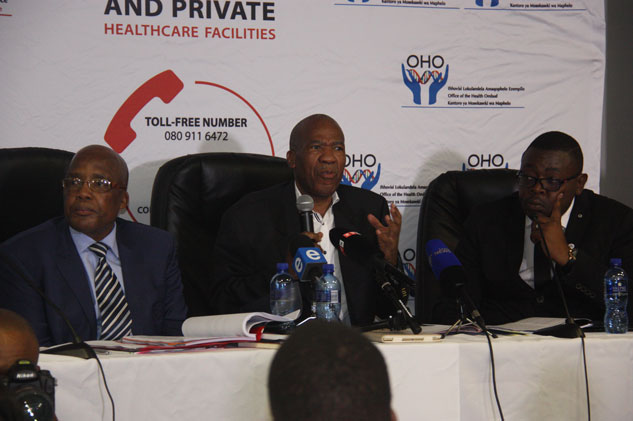
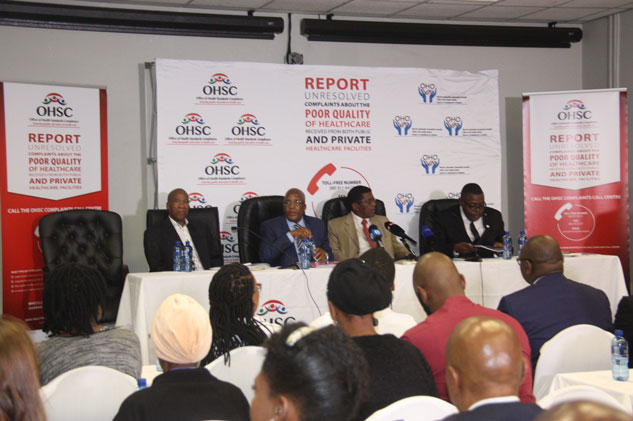
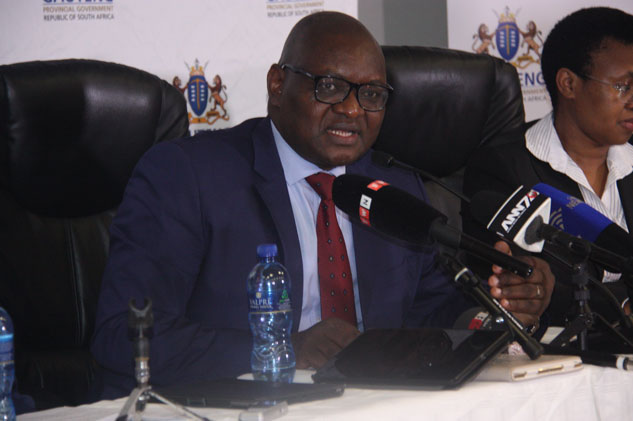
On 1 February 2017, Health Ombudsman, Professor Malegapuru Makgoba, released the much-awaited report on the circumstances that led to the death of 94 patients in various NGOs. He released the report to the media and stakeholders and handed it over to the Office of Health Standards Compliance (OHSC) in Pretoria. The OHSC handed both reports to the Minister of Health, Dr Aaron Motsoaledi, and to the Premier of Gauteng, David Makhura. The full report is attached here.
In summary, the report’s key findings are the following:
-
A total of 94 + mentally ill patients and not 36 (as initially and commonly reported) publicly in the media) died between 23 March 2016 and 19 December 2016 in Gauteng Province.
-
All the 27 NGOs to which patients were transferred operated under invalid licences; therefore, all patients who died in these NGOs died in unlawful circumstances.
-
The NGOs where the majority of patients died had neither the basic competence and experience, the leadership/managerial capacity nor ‘fitness for purpose’ and were often poorly resourced. The existent unsuitable conditions and competence in some of these NGOs precipitated and are closely linked to the observed ‘higher or excess’ deaths of the mentally ill patients.
-
75 (79.78%) patients died from 5 NGO/hospital complexes (Precious Angels 20, Cullina Care and Rehabilitation Centre (CCRC)/Siyabadinga/Anchor 25, Mosego/Takalani 15, Tshepong 10 and Hephzibah 5);
-
There were 11 NGOs with no deaths, 8 NGOs with average deaths and 8 NGOs with ‘higher or excess’ death;
-
Only 4 Mental Health Care Users (MCHUs) died in hospitals compared to 77 MCHUs deaths at NGOs; in absolute numbers for every 1 death at the hospitals there were 19 deaths at the NGOs but correcting for the total base population the ratio is 1:7. This ratio is very high.
-
When the MEC of Health made announcement on 13 September 2016, 77 patients had already lost their lives.
-
At the time of writing the Report, 94 patients had died in 16 out of 27 NGOs and 3 hospitals.
-
95.1% deaths occurred in the NGOs from those directly transferred from LE Health Care Centre.
-
Available evidence by the Expert Panel and the Ombud showed that a ‘high-level decision’ to terminate the LE Health Care Centre contract precipitously was taken, followed by a ‘programme of action’ with disastrous outcomes/consequences including the deaths of Assisted MCHUs. The Ombud identified three key players in the project: MEC Qedani Dorothy Mahlangu, Head of Department (HoD), Dr Tiego Ephraim Selebano and Director Dr Makgabo Manamela at times referred to as dramatis personae’ in the text. Their fingerprints are ‘peppered’ throughout the project. The decision was reckless, unwise and flawed, with inadequate planning and a chaotic and ‘rushed or hurried’ implementation process.
-
Several factors in the ‘programme of action’ were identified by the (Expert Panel, OHSC Inspectors, Ombud and Ministerial Advisory Committee) that contributed and precipitated to the accelerated deaths of mentally ill patients at the NGOs. The transfer process particularly, was often described as ‘chaotic or a total shamble’;
-
The Gauteng Mental Health Marathon Project, as it became known was: done in a ‘hurry/rush’; with ‘chaotic’ execution; in an environment with no developed, no tradition, no culture of primary mental health care community-based service framework and infrastructure;
-
Human Rights Violations: There is prima facie evidence, that certain officials and certain NGOs and some activities within the Gauteng Marathon Project violated the Constitution and contravened the National Health Act and the Mental Health Care Act (2002). Some executions and implementation of the project have shown a total disregard of the rights of the patients and their families, including but not limited to the Right to Human Dignity; Right to life; Right to freedom and security of person; Right to privacy; Right to protection from an environment that is not harmful to their health or well-being; Right to access to quality health care services, sufficient food and water and Right to an administrative action that is lawful, reasonable and procedurally fair.
-
This total number of 94 should be seen as working and provisional number.




Documents
Health ombudsman report
Download


