View all
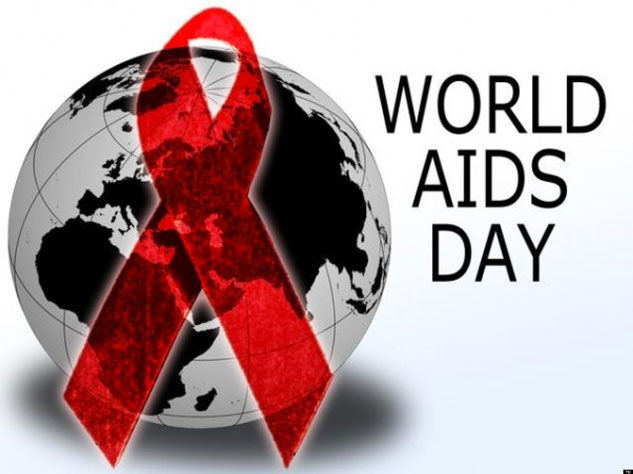
DENOSA commemorates World Aids Day
Media statement
Tuesday, 01 December 2015
As the world commemorates World Aids Day, the Democratic Nursing Organisation of South Africa (DENOSA) would like to pay a special tribute to health workers in general and nurses in particular for the sterling work they have put into the success rate that the country enjoys in fighting what was once a deadly virus.
As DENOSA, we hope that the complaints that nurses raise about the conditions they work under do find a hearing from authorities in the Sub-Saharan Africa and get addressed as soon as possible. Their conditions are highly characterized by severe staff shortages, shortage of medication and equipment at facilities. These challenges compromise the quality of healthcare that nurse cadres are capable of providing to patients and communities.
The newly-released HIV/AIDS treatment guidelines by World Health Organization (WHO), are a further step in arresting the killer-effects of the virus in patients. In the recent guidelines to its member states, WHO recommends that patients be initiated into ARV therapy as soon as they are diagnosed with the virus, and no longer wait for the CD4 count to drop to 500 first before a patient is initiated into the programme.
This will further have positive economic outcomes for the region as most people who are infected are those that are active participants in the growth of their country’s economies. DENOSA would like to urge our government to equally consider the homosexual groups, especially lesbians, in its preventative programmes, as statistics prove that they are still highly exposed to the virus.
As a nurses’ organisation, we would like for South Africans and Africans to start looking forward to means of addressing what is likely to be as severe a killer disease as HIV/AIDS – non-communicable diseases (NCDs). This is killing mainly active participants of economy in their prime time, and thus slowly depriving their countries of great potential socio-economic growth.
We would like to urge fellow South Africans to start inculcating a culture of active, healthy living and embarking on regular exercises. Latest statistics paint a gloomy picture about South Africa’s population, which is increasing the most obese in the Sub-Saharan Africa.
“Being proactive in managing non-communicable diseases will need us to copy the same level of enthusiasm that we have shown in dealing with the HIV/AIDS pandemic in our country. The scariest part about the non-communicable diseases challenge is that the choice of food we eat, and the amount of intake we feed into our bodies is the main culprit,” says DENOSA President, Simon Hlungwani.
DENOSA strongly supports the intention by the Department of Health to prohibit food retail stores from adding excessive salt in their food as this becomes poisonous as it causes heart attacks, strokes and kidney diseases among others to customers.
End
Issued by the Democratic Nursing Organisation of South Africa (DENOSA)
For more information, contact:
Simon Hlungwani, DENOSA President
Mobile: 079 501 4922
Or
Madithapo Masemola, DENOSA Acting General Secretary
Mobile: 082 551 6041
Website: www.denosa.org.za
Facebook: DENOSA National Page
Twitter: @DENOSAORG


