View all
Chief Negotiator reports on outcomes of the 1st DENOSA National Bargaining Conference
……………..
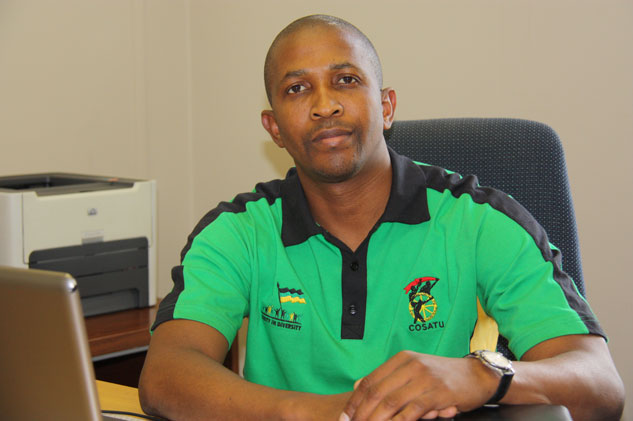
By Khaya Sodidi, Chief Negotiator
Revolutionary Greetings Comrades
The 1st National Bargaining Conference convened on 27-28 June 2014 at DENOSA head office in Pretoria. The following resolutions were taken by various commissions:
2014 NATIONAL BARGANING CONFERENCE
Resolutions
Mandatory Process
• There must be a provincial chief negotiator from POBs and the province should determine who becomes negotiator
• Mandatory Process Model must be as follows:
i. Correspondence from national;
ii. Provincial office receives the correspondence;
iii. The province disseminates the information to provincial negotiator, PEC members and provincial coordinators including organisers and fulltime shop stewards;
iv. Provincial negotiator, PEC members, provincial organisers and fulltime shop stewards disseminate the information to regions;
v. The regional structures disseminate the information to local structures;
vi. And the local structures disseminate the information to branches or institutions;
vii. Once the branches respond, the response is sent back to locals;
viii. Locals send the response back to the regions for consolidation;
ix. The regions send back to provincial structure for provincial mandate;
x. If the majority of regions agree on a mandate, the province consolidates and sends to national;
xi. In the event of unclear or not conclusive mandate from regions;
xii. Convene a provincial shop steward council for debate and consolidation;
xiii. Thereafter, the clear mandate is conveyed to national;
• Notwithstanding the above, the teleconference can be used as a way of communicating the collected mandate from all structures if the need arises.
Government Budgetary Processes & Demands
• Joint Mandating Committee (JMC) of COSATU must synchronise Budgetary Processes and Demands
• Must keep the Single-Term Agreement
• Capacity building of leadership is key finding expression in the structures of the organization
2015 Salary Negotiations, The Demands to PSCBC
• Wage Increment: 15%
• Term Of Agreement: Single Term
• Rearrangement of working hours: The provinces must put this matter on hold as PSCBC must still finalise it
• Housing Allowance: Increase from R960 to R1800 as the timeframe of finalizing it has long elapsed
• PMDS: Replace PMDS with another Compensation Model that will benefit everyone
• Outsourcing: This practice must be abolished as it is against the COSATU campaign of labour brokering and outsourcing
• Family Responsibility Leave: 6 Months Maternity Leave, 6 Weeks Paternity Leave and Special Leave for parents of children with Special Needs (disability)
• Night Shift Allowance: Increase from R4.00 to R7.00
• Shift Workers: Amendment of Res 1 of 2007 on leave
The Demands to PHSDSBC
Please note that the following demands have been tabled to the council but the conference felt strongly that they must be finalised soon:
• Danger Allowance: All nurses must be paid danger allowance
• Rural Allowance: Extend to all categories of nurses. The remuneration of nurses should be aligned with the one of doctors
• Uniform: The uniform must be supplied by the department
• OSD: Review the Resolution 3 of 2007
• Occupational Health & Safety: The employer must comply with COIDA in TB institutions and other general hospitals.
Strike Management
• DENOSA must establish JMC at provincial level
• Establish Strike Committee at institutional/workplace level
• Proper communication/consultation within the organization
• Finalise Minimum Service Level Agreement
• Involvement of other unions in action plan
• Consistent update from the institutions to avoid confusion and hearsay
• Centralise communication in reporting to media in managing the flow of information
• Keep attendance register, no name tags during the strike
• Contingency Plan must be developed by each institution
• The managers to use their own discretion to avoid exposing members/nurses to violent behavior that may even result to fatal incidents
• Utilization of Strike Fund for various activities
Private Sector
• Visibility of Regional and Provincial Office Bearers
• Relationship building between Denosa and Private sector
• Utilisation of DPI as a strategy in having an access to private sector
• Capacity building and support through nursing update
• Education of members about the alliance
• Mentorship of shop stewards by human resource department to empower them in dealing with employees’ issues.
• Educate shop stewards on their roles at branch/workplace level
• Private Sector Organiser
• Organisers must understand LRA in terms of private sector
• Run education campaign on Generic Disciplinary Code of Conduct
• Establish Central Private Healthcare Sector Bargaining Council
• Review of the constitution in opening up membership to healthcare workers, surgical technicians and anaesthic assistance
Compiled By
Khaya Sodidi
Chief Negotiator
panerai replica watches www.toppanwatch.me


