View all
Tshwane Health District hosts Research Conference at TUT
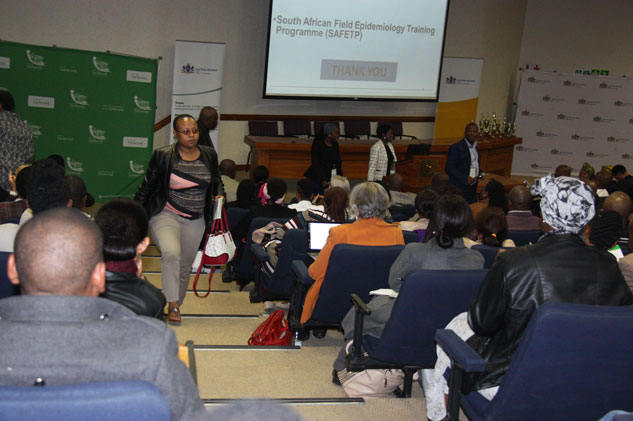
Clinicians and patient views on anti-retroviral treatment integration in primary health care clinics in Tshwane;
Obesity in adolescents at a high school in Tshwane;
Knowledge of HIV/AIDS and perception of primary school learners about HIV-positive people;
Adherence to antiretroviral treatment and associated health-related quality of life over a period of a year for HIV positive patients attending two clinics in Tshwane North-West District;
Obesity in adolescents at a high school in Tshwane;
Knowledge of HIV/AIDS and perception of primary school learners about HIV-positive people;
Adherence to antiretroviral treatment and associated health-related quality of life over a period of a year for HIV positive patients attending two clinics in Tshwane North-West District;
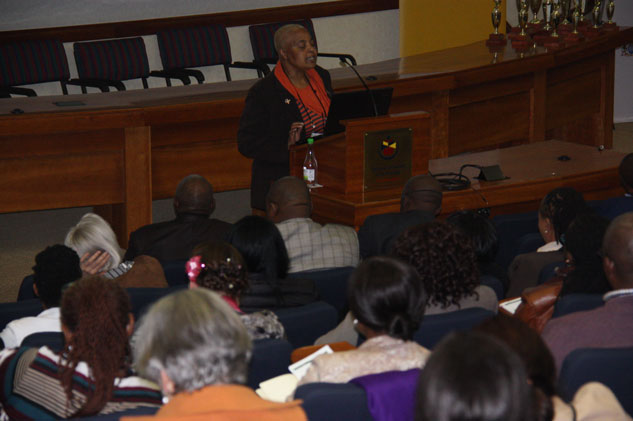
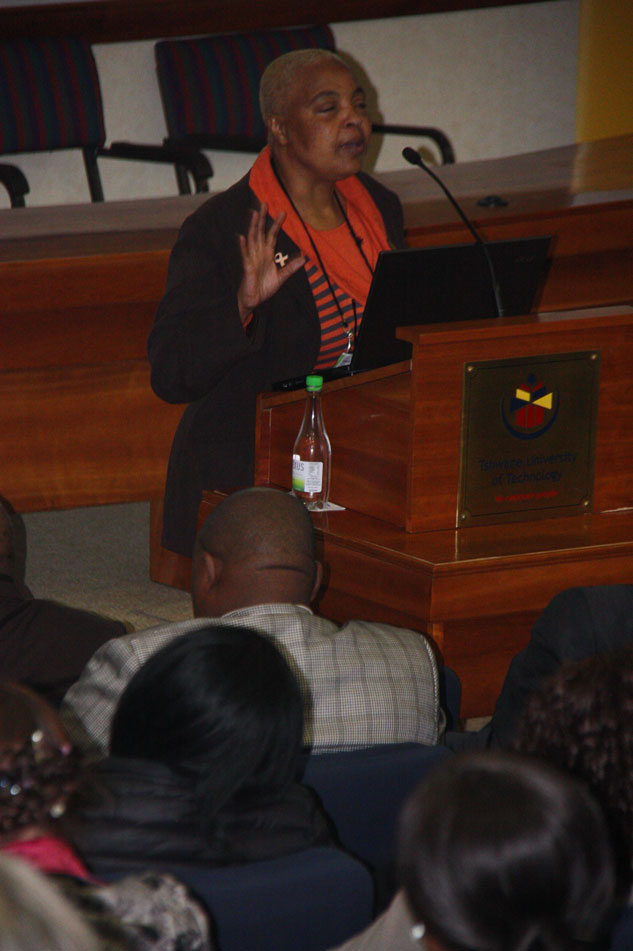
Clinician and patient views on anti-retroviral treatment integration in primary health care clinics in Tshwane, by Ms Delia Mathibe.
Here, staff development, lack of support staff such as assistants,Rolex Replica data capturers and counsellors, long waiting periods, lack of human resource to do the services are some of the challenges that clinicians cited, while patients highlighted supply of medication for only one month instead of giving them multi-months supply, and the fact that they themselves must always come to collect their medication instead of allowing someone else to be sent for by them to collect medication. Integration is also noted to ensure privacy and confidentiality as well as decrease both discrimination and stigma, as patients on ART would ordinarily be separated from other patients, including health education on them which would normally be done in the corridors of the facility for anyone who passes by to hear and notice.
................
................
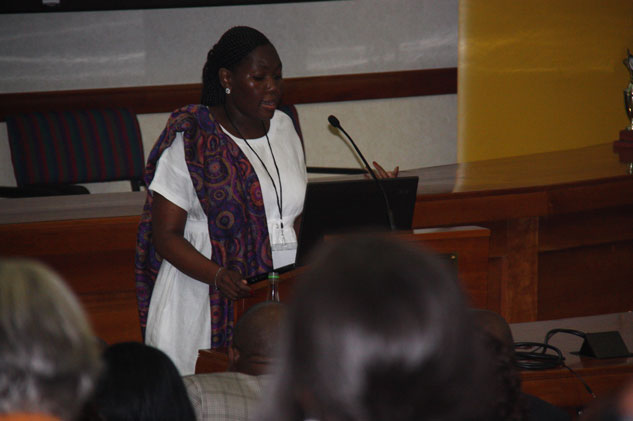
Adolescent obesity at a high school in Tshwane, by N Ngwenya.
This study was triggered by observing that kids at the school, upon visits by the researcher, were getting bigger and bigger.
Lack of activity, and some activities which are carried out with less effort. Curiosity over this phenomenon led to the exploration of the subject matter, which was aimed at the kids, teachers and parents at the schoold which had about 958 learners, 15% of which were obese. Disappointingly, parents never took part in the study, and most parents never signed consent letters about the study.
Lack of activity, and some activities which are carried out with less effort. Curiosity over this phenomenon led to the exploration of the subject matter, which was aimed at the kids, teachers and parents at the schoold which had about 958 learners, 15% of which were obese. Disappointingly, parents never took part in the study, and most parents never signed consent letters about the study.
Lack of knowledge about healthy food for adolescents, ‘couch-potato’ effect (watching tv, more so in the age of DSTV), socio-economic factors that affect one's affordability of food (potato chips and fatkoeks being cheaper than green salad).
"But in this school, there are all sorts of sports grounds that you can think of, and yet you have this problem," explained Ngwenya at the conference.
The 'African Culture' effect was also cited as one of the contributory factors to the obesity problem, where the norm holds that for one to be seen as healthy they must have big body.
Time pressures from parents was also cited. An example was made of nurses who work 12 hours and would arguably not be able to come back home at 19h00 and still cook a nice and healthy meal.
Question to nurses (on a lighter note): Are you able to come back home and still cook a healthy meal, or you often resort to a short cut - buying at fast-food on your way home? How healthy are your kids?
....................
....................
Knowledge of HIV/AIDS and perception of primary school learners about HIV-positive people, by Ntsieni Dzhugudzha.
The research found that there's at least a positive perception of HIV among the kids by about 53%. 94% learners knew that HIV spread by sexual intercourse, and similar results were found in high school learners, which could be attributed to Life Orientation subject that is in the curriculum.
What was troubling, however, was that 86% of learners identified schools as the source of information on HIV/AIDS, which raised a concern that mass media perhaps no longer conveys the message as it used to.
..................
Some of other studies included: www.rolex-chat.com
Care and support provided by nurses: Victims' perspectives.
Community Service nurses' experiences regarding health care services at Tshwane District Public Health.
Does counselling make a difference for ARV adherence?